
No, this is a fabrication used by the Repeal movement. As the American Pregnancy Association states, “Emotional and psychological effects following abortion are more common than physical side effects”, this is the reality of abortions.
Medical research, far from confirming that abortion protects women’s mental health, has failed to find any benefit to women from abortion. Although there are hundreds of thousands of abortions annually on mental health grounds in Britain, there is no evidence that abortion improves the mental health of women.
Many peer-reviewed studies, however, confirm the testimony of post-abortive women that abortion itself heightens the risk of future mental health problems. There is also comprehensive longitudinal research showing that women who have abortions are more likely to commit suicide compared to all women of reproductive age, yet the pro-choice movement still argue have no abortion regret.
At the core of the campaign for repeal of the 8th Amendment is a systemic denialism about the extent and strength of the peer-reviewed research debunking claims that abortion helps women’s mental health. This reluctance extends to suppressing the voices of groups like Women Hurt, which brings together women who regret their abortion decision and wish to tell their stories.
Scientific Research

The leading scientific journal “Psychiatry and Clinical Neurosciences” published in 2013, a study on the psychiatric and psychological consequences of abortion on women. The study is titled “Abortion and subsequent mental health: review of the literature”. The study analyzed all scientific trials since 1995 of psychological and psychiatric health of women who had an abortion, compared with those who had either given birth to a baby or those who had had a miscarriage.1
The findings of this study depict the image of women who suffered mentally after abortions:
“a- On 19 studies that compared abortion versus childbirth, 13 showed a clear risk for at least one of the reported mental problems in the abortion group versus childbirth, five papers showed no difference. Only one paper reported a worse mental outcome for childbearing.”2
“b- Some studies compared abortion versus unplanned pregnancies ending with childbirth (this approach is important, since an unplanned childbirth may be a reason for abortion fearing psychological trauma): four studies found a higher risk in the abortion groups and three no difference.”3
“c- Last, authors analyzed those 9 studies that compared abortion versus miscarriage (both ending with fetal loss): three studies showed a greater risk of mental disorders due to abortion, four disclosed no difference and in two, short-term anxiety and depression were higher in the miscarriage group, while long-term anxiety and depression in the abortion group.”4
This shows women that, yes in some cases no negative symptoms may arise following an abortion, besides the death of another human, but to claim that nearly 100% of woman do not experience remorse or any psychological effects afterward is pure lunacy.5
According to the American Pregnancy Association, “Emotional and psychological effects following abortion are more common than physical side effects and can range from mild regret to more serious complications such as depression.”6
But why might some woman feel regret and others do not following an abortion?
The answer to this question is not a hard one. Apart from the fact that all humans are different to one another and react to situations differently, all woman’s pregnancies are different. However, “One important factor related to the vulnerability of negative emotional or psychological effects has to do with your belief about the baby inside of you. Those who believe it is not a baby until it is born have less of a chance of experiencing negative emotional consequences. However, those who believe it is a baby are more likely to experience negative emotional side effects.”7
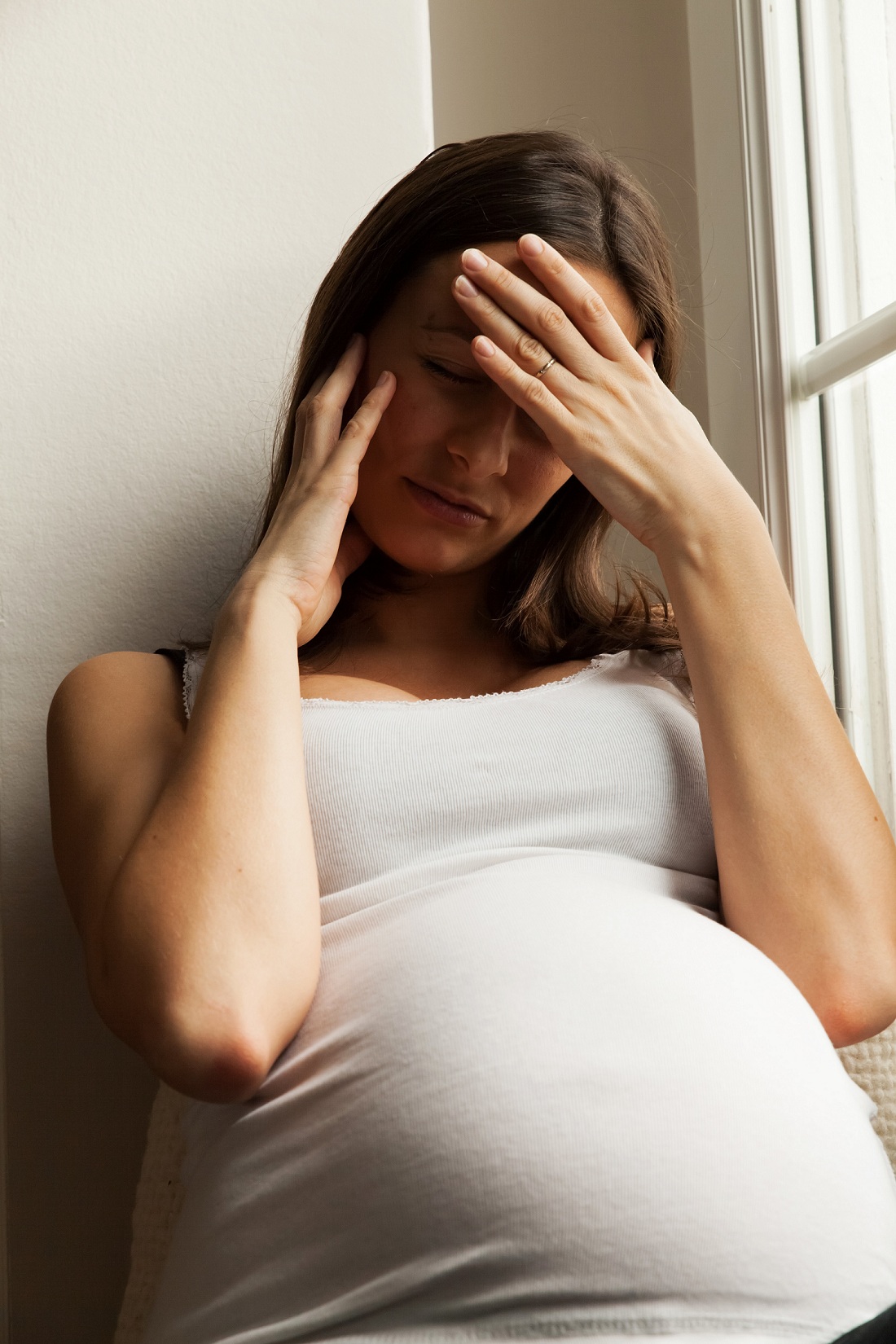 All pregnancies are unique and all women are as well, and to lie and say that ‘according this particular scientific report, nearly all women who have an abortion do not regret it,’ fails to account for the individuality of each woman involved.
It seems that each study done on the mental effects of abortion on the mother differs from study to study, so it is understandable how the pro-choice advocates can believe one thing over the truth. Here are some examples of contradictory reports:
Psychological Society of Ireland –
“Most women do not experience severe negative responses to terminating an unwanted pregnancy. However, a small percentage do report such responses. Women who have more negative responses tend to be those who: – terminate a pregnancy that was originally wanted; – have difficulty deciding to have the abortion; – have limited or no social support from their sexual partner or others; – have an abortion in the second trimester of pregnancy; – blame themselves for the unwanted pregnancy; – have a history of emotional disturbance before the pregnancy; or – feel coerced to have the abortion.” 8
Royal College of Obstetricians and Gynaecologists (UK)-
“In their recommendations in terms of information that should be provided to women is the fact that there can be psychological sequelae to abortion. This is based on the fact that some studies suggest that rates of psychiatric illness or self-harm are higher among women who have had an abortion compared with women who give birth or with non-pregnant women of similar age.” 9
The American Psychological Association (U.S.)-
“The key points made in the Briefing Paper are:
• there is a low risk of psychological harm following abortion;• research has shown that there is positive functioning and educational attainment two years following abortion; • positive emotions are more often experienced following abortion than negative emotions; • there is a higher risk of psychopathology if there were pre-existing emotional problems; • individual circumstances must be taken into account; • poor social outcomes often arise for unwanted children… They also recommend that mental health consultations need to be made available to the small number of women who experience distress following abortion. “10
It’s abundantly clear that regardless of the woman’s reason for getting an abortion, doctors should disclose all the potential side effects of the abortion, including potential psychological damage. We are all different, and it is a lie to state that 95% of woman who had an abortion did not suffer mentally afterwards.
8 http://crisispregnancy.ie/wp-content/uploads/2012/05/20.-Psychological-Effects-of-Abortion-on-Women-a-review-of-the-literature.pdf
9 Ibid
10Ibid
 IT'S TIME TO RESPECT